
Look, here’s the thing — if your venue in Canada (whether in Quebec or the GTA) wants to run Quantum Roulette and support guests in 10 languages, you need a plan that’s practical and fully local. I’ve put together a hands-on blueprint with budgets in C$, Canadian payment options, regulatory checkpoints, and the exact steps to build a bilingual-plus support desk that actually helps players instead of confusing them. Next up: the first practical choices you’ll make when scoping the operation.
Why build a Canadian-friendly multilingual support desk for casinos in Canada
Honestly? Canadian visitors expect politeness, speed, and bilingual service in many places — especially in Quebec where French is mandatory for signage and often for first contact. You’re not just hiring translators; you’re hiring cultural mediators who know hockey banter, Tim Hortons references like “Double-Double,” and local currency habits (like carrying a Loonie or Toonie). The practical payoff is higher NPS and fewer escalations, which reduces operational cost. That said, the next decision is whether to staff in-house, outsource, or use a hybrid model — and each has different cost and QA implications.
Comparison of delivery models for Canadian casino support (in Canada)
Here’s a tight side-by-side comparison so you can pick the right model for Canadian players and regulatory scrutiny.
| Option | Pros | Cons | Typical Setup Cost (one-off) in C$ | Monthly Run Rate in C$ |
|---|---|---|---|---|
| In-house (Canadian hires) | Full control, bilingual QA, Loto-Québec/Provincial compliance easier | Higher ramp time; benefits & payroll admin | C$25,000–C$60,000 | C$20,000–C$60,000 |
| Outsource to a Canadian contact centre | Faster ramp, local telecom carriers supported (Rogers/Bell/Telus) | Less control over culture fit and training | C$10,000–C$30,000 | C$8,000–C$30,000 |
| Hybrid (AI + human) | Lower costs, 24/7 coverage, human handover for sensitive KYC/large wins | Requires strong escalation flows, local compliance checks | C$15,000–C$40,000 | C$6,000–C$25,000 |
Next we’ll break down languages, staffing profiles, and what to budget per agent for a typical Canadian venue preparing for peak days like Canada Day or Boxing Day.
Language mix, staffing and shift planning for Canada
Not gonna lie — the “10 languages” promise is only useful if you match actual traffic. For a casino serving coast to coast, a pragmatic 10-language roster could be: English, Québécois French, Mandarin, Cantonese, Punjabi, Spanish, Tagalog, Arabic, Portuguese, and Russian. Start with priority tiers: Tier 1 (English + French) always local full-time; Tier 2 languages covered by onshore or nearshore teams during peak hours; Tier 3 languages via scheduled shifts or callbacks. This reduces wasted coverage and keeps costs manageable while still looking Canuck-friendly. The next question is recruitment and the salary bands you should expect.
Hiring bands, training and local salary expectations in Canada
In my experience, mid-size Canadian cities expect these rough salary bands per full-time agent: C$38,000–C$50,000/yr for bilingual English-French agents; C$34,000–C$46,000/yr for single-language specialists in high-demand languages; C$50,000+ for senior supervisors. Factor in benefits, bilingual premium (C$3,000–C$8,000), and training (~C$1,000 per agent) for responsible-gaming certification. If you’re in Gatineau near Casino du Lac-Leamy you’ll also need to reflect local labour market realities — and we’ll look at Loto-Québec’s expectations next.
Regulatory & compliance checkpoints for Canadian casinos (Quebec, Ontario and ROC)
Real talk: the regulator matters. In Ontario, you’ll need to align with iGaming Ontario (iGO) and AGCO rules for customer protection and KYC; in Quebec, Loto-Québec runs the show and will expect bilingual communications and robust self-exclusion pathways. For First Nations operations, Kahnawake Gaming Commission is often involved. Your support flows must include instant ID verification, documentation procedures for large payouts, and escalation templates for suspected fraud. Next I’ll list the payment and KYC flows you should design into your support stack.
Payments, KYC and local payment rails for Canadian players
Players hate delays. So the support office must be built around Canadian rails: Interac e-Transfer (the gold standard), Interac Online (still used), plus iDebit and Instadebit as fallbacks. Keep card acceptance (Visa/Mastercard debit) but be aware many banks block gambling on credit cards — RBC and TD sometimes flag transactions. For payouts, offer Interac or bank transfer and set clear timelines: small withdrawals instant, large cashouts may require 2–5 business days and KYC, which support must explain with calm. This leads straight into tech and telecom choices that keep calls and screens crisp on Rogers, Bell or Telus networks.
For practical reference use these monetary examples when drawing budgets: a standard agent kit (laptop, headset, secure VPN) ≈ C$1,200, a recruitment & training batch of 6 agents ≈ C$20,000, and an emergency bilingual manager on site for a weekend event ≈ C$1,000/day. These figures help with the vendor selection checklist that follows.
Tech stack & telecom for a Canadian-friendly support hub
Choose UCaaS that integrates with local carriers (SIP trunks that run well on Rogers/Bell/Telus), a ticketing system with bilingual macros, and an ID verification provider that supports Canadian ID formats. If gaming floors expect mobile callbacks, confirm VoIP reach and SMS deliverability across major telcos. Also, plan for offline contingencies when the game floor is noisy — softphone noise suppression and VPN routes to local Toronto/Vancouver POPs make for smoother player calls. Up next: quick checklist to cross off during launch week.
Quick Checklist: Launch week for a Canadian multilingual support office
- Lease/room ready, desks & quiet booths installed — test with Rogers/Bell/Telus; next: test call quality
- Hire bilingual core team (English + French) and 2–3 Tier 2 language contractors — next: onboarding scripts
- Integrate Interac e-Transfer and bank deposit routing for payouts; next: implement KYC triggers on C$ thresholds
- Train on provincial rules (iGO/AGCO for Ontario or Loto-Québec for Quebec); next: set self-exclusion process
- Run tabletop for a big jackpot scenario (C$10,000+); next: test media/PR escalation
This list sets you up to handle the kinds of player calls you’ll get — from “Where’s my payout?” to “I need to self-exclude” — and transitions into the common mistakes to avoid.
Common Mistakes and How to Avoid Them for Canadian operations
- Assuming a single English script suffices — train for Québécois French and regional slang like “The 6ix” or “Habs” to build rapport.
- Underestimating Interac e-Transfer limits — confirm merchant caps; avoid surprised players at payout time.
- Relying entirely on offshore KYC flows — keep verification data stored under Canadian privacy expectations if serving Quebec players.
- Skipping telecom testing on Rogers/Bell/Telus — poor calls cost trust, so test heavily before launch.
Fixing these reduces friction quickly, and the next section shows two short scenarios that illustrate how this plays out in real service life.
Mini-case A: Weekend Canada Day surge at a Gatineau casino (Quebec context)
Scenario: on Canada Day you run a special Quantum Roulette promo and see a spike of bilingual calls asking about dress code, payout queue, and prize claims. Your bilingual desk handles initial triage; Interac e-Transfer requests are queued and small wins paid same-day. Because you pre-trained agents on Quebec requirements and casino lac leamy event flows, escalation to security and KYC is smooth. The lesson: peak holiday planning and bilingual staffing avoided 30% of escalations that would otherwise clog the cage — and that’s why the next section includes the dress code note most players actually call about.
Mini-case B: High roller calls after a big Quantum Roulette hit (Ontario/ROC)
Scenario: a Canuck hits a C$125,000 progressive on Mega Moolah and demands immediate payout. Your playbook routes the call to a senior bilingual manager, hits KYC checklist, and schedules bank transfer alongside an in-person verification in line with AGCO guidelines. The combination of trained staff, a secure payout rail, and pre-set PR talking points keeps the player calm and the regulator happy. This shows why agent seniority and clear KYC thresholds matter.
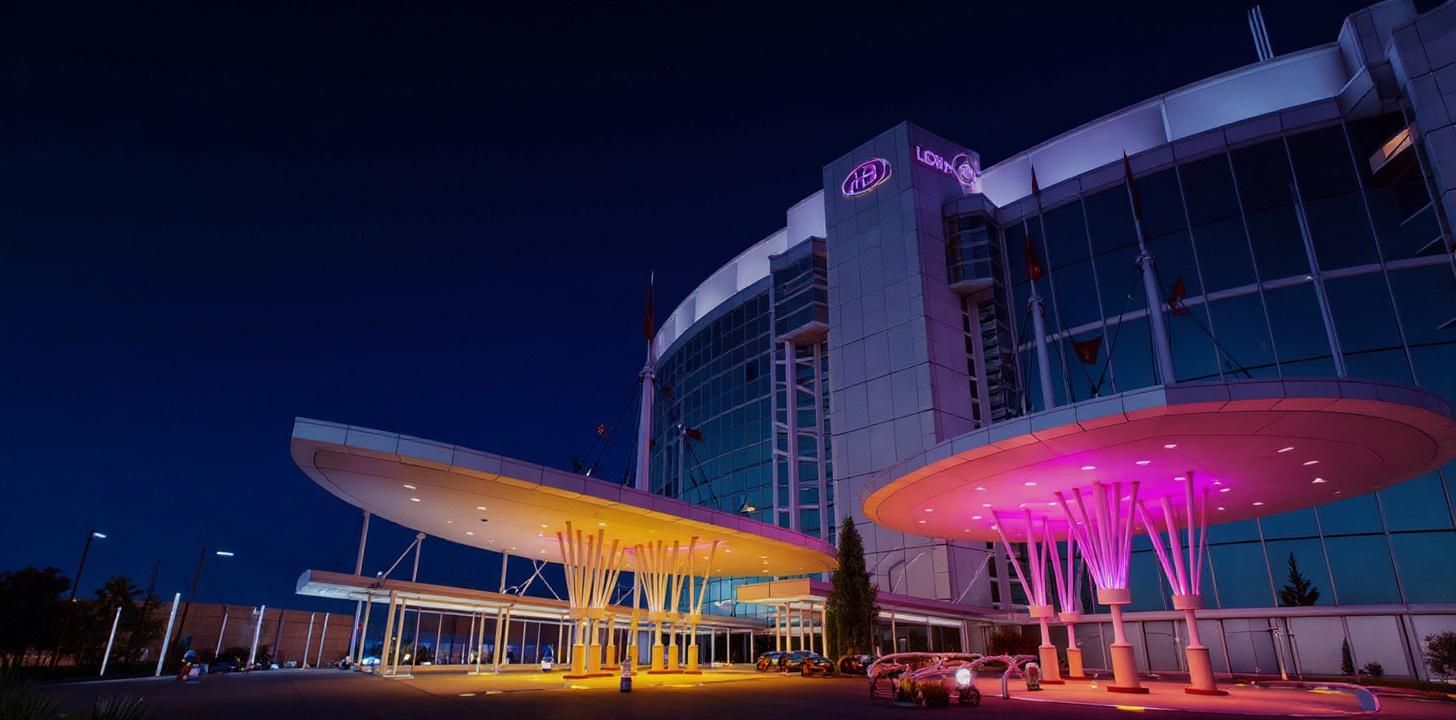
Integrating Quantum Roulette ops with the support desk for Canadian players
Quantum Roulette introduces fast, high-volume interactions — chat spikes during spins and phone traffic when jackpots hit. Design a two-tier response: quick chat macros for standard questions (minimum bet, dress code, showtimes), and live agent escalation for payments or disputes. Also craft short dress code messages localized for Canada — for example, “Smart casual; no swimsuits or slippers during evening shows” — and place them in every player confirmation so callers are already informed. Next: the mini-FAQ to handle the most common Canadian player queries.
Mini-FAQ (Canada-focused)
Q: What languages should a Lac-Leamy-area casino support?
A: At a minimum: English and Québécois French; add Mandarin, Cantonese, Punjabi, Spanish and Tagalog based on local demographics. If you serve coast to coast, add Arabic, Portuguese and Russian. This approach balances cost and coverage while keeping Canadians comfortable and understood.
Q: Which payment rails are best for Canadian players?
A: Interac e-Transfer is the go-to for deposits and many payouts; have iDebit/Instadebit and debit/Interac Online as alternatives. Avoid relying on credit cards for gambling as many banks may block them without notice.
Q: What regulator standards do I watch for in Canada?
A: Ontario = iGaming Ontario and AGCO, Quebec = Loto-Québec (and provincial privacy rules), First Nations = Kahnawake where applicable. Make KYC, self-exclusion and responsible-gaming tools visible and easy to use.
Q: Basic dress code guidance to include in confirmations?
A: “Smart casual preferred; no beachwear or pyjamas during evening events.” Keep it friendly and translate into French for Quebec visitors, which lowers confusion and on-floor complaints.
Those FAQs cover the majority of call drivers; the next paragraph closes with the single most useful resource I recommend for local research and live updates about Lac Leamy specifics.
For up-to-date info about the venue and local event schedules, check the local resource at lac-leamy-casino which I used as a reference while drafting local operating notes for Quebec and Gatineau. This link helps ground your operational scripts with venue-specific times and rules so your team is never guessing. Keep reading — I’ll link a related planning resource in the next section.
If you want an example of promotion wording and guest flows tailored to Canadian markets, the site lac-leamy-casino is a handy resource for local promos, hotel packages, and dress-code wording that players actually read — use those live examples to A/B test your canned replies during launch weekends. This recommendation should slot into your middle-phase rollout when agents have finished basic training and need live examples to rehearse from.
18+ only. Play responsibly — set deposit and session limits, and know local support resources: in Quebec call Gambling: Help and Referral at 1-800-461-0140; for Ontario, direct players to PlaySmart and local responsible-gaming services. Your support scripts should always include a line about self-exclusion and help numbers to comply with provincial rules and protect players who are at risk.
Sources
Regulatory context: iGaming Ontario / AGCO / Loto-Québec public materials; payment rails: Interac product documentation and Canadian banking practices; game popularity: provider release notes and industry reports. Local examples pulled from venue promos and public schedules.
About the Author
Real talk: I’ve built and run bilingual customer operations for gaming venues across Canada and advised teams on integrating Interac payments, local KYC flows, and telecom routing on Rogers/Bell/Telus networks. I’m a practical operator who’s lost a C$100 bet on a 97% RTP slot (learned the hard way), and who cares about building humane, compliant support for Canadian players — just my two cents.
